What We Don’t Talk About When We Talk About Making America Healthy Again
Robert F. Kennedy Jr. has a platform, a history, and a responsibility he refuses to honor
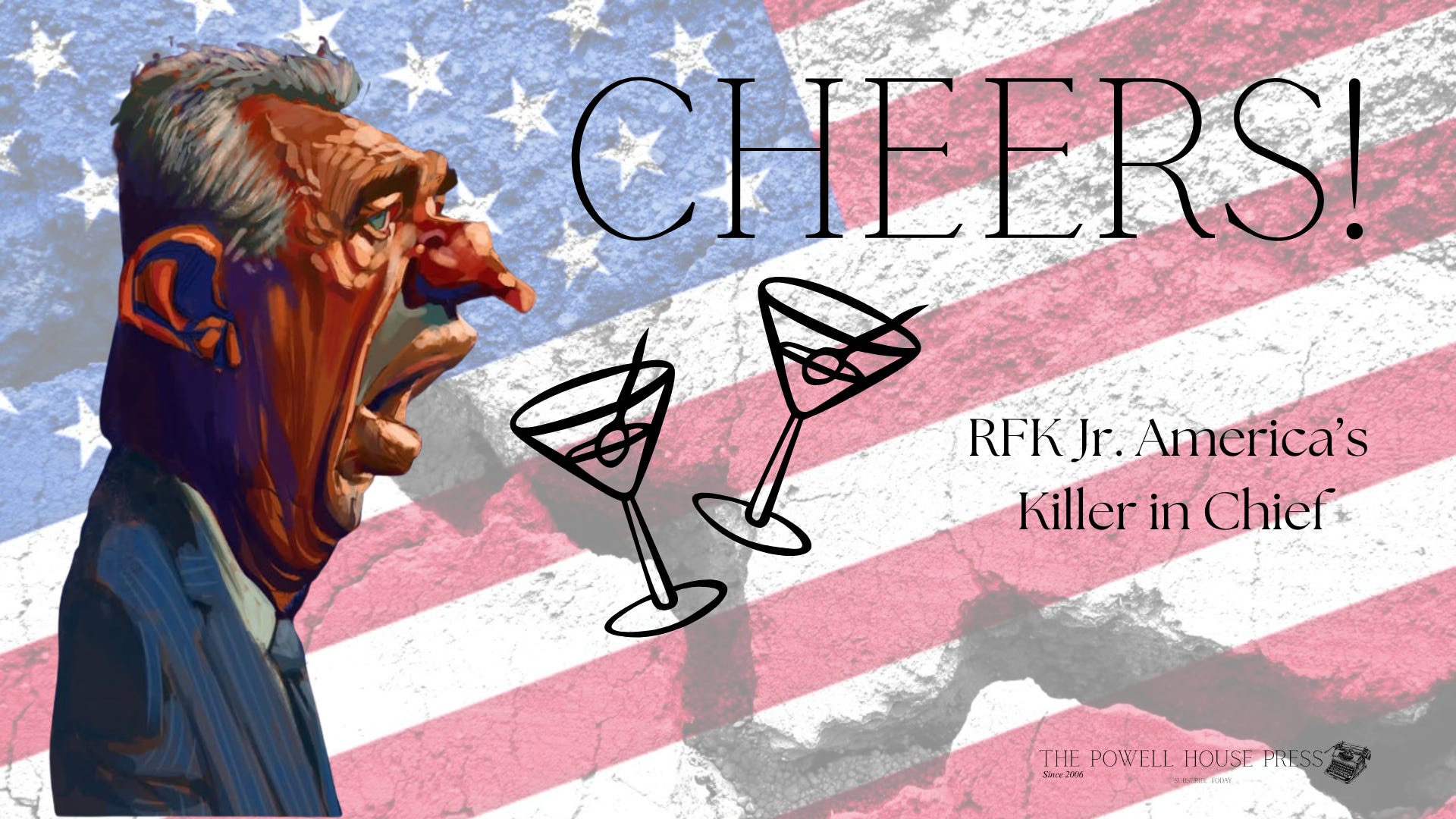
Robert F. Kennedy Jr. released his new Dietary Guidelines for Americans on January 7, 2026, and the document is precisely what you would expect from a man who has made a medical career out of law school and a pedigree: a ten-page manifesto that declares war on added sugar while gently suggesting that Americans should “limit” their alcohol consumption—without offering a number, a warning, or an honest reckoning with what this particular poison actually does to human bodies, families, and communities. The previous guidelines specified limits: two drinks per day for men, one for women (U.S. Department of Health and Human Services & U.S. Department of Agriculture, 2020). The new MAHA version eliminates these entirely, offering only vague language about moderation. More than twenty alcohol industry trade associations praised the change, and the U.S. Alcohol Policy Alliance called it “a big win for the alcohol industry” (Washington Examiner, 2026). A movement that claims to be rescuing Americans from corporate capture has handed the $260 billion alcohol industry exactly what it lobbied for.
Kennedy’s Make America Healthy Again initiative is becoming increasingly dangerous precisely because it applies ideological conviction where scientific rigor is required, and scientific skepticism where the evidence is overwhelming. The man who questions the safety of vaccines—despite decades of randomized controlled trials, meta-analyses, and real-world effectiveness data—accepts without question the alcohol industry’s preferred framing that consumption is a matter of personal discretion requiring no federal guidance. The man who treats seed oils as a civilizational threat despite the American Heart Association’s clear statement that replacing saturated fats with polyunsaturated fats reduces cardiovascular risk (Sacks et al., 2017) has nothing to say about a Group 1 carcinogen that kills 178,000 Americans annually (Esser et al., 2024). This is not public health. This is lifestyle branding masquerading as policy, and people will die because of it.
I am not a neutral observer on this subject. I don’t believe anyone has a healthy relationship with alcohol. How could they? It is a poison. The International Agency for Research on Cancer classified alcoholic beverages as a Group 1 carcinogen in 1988—the same category as tobacco and asbestos—based on sufficient evidence of carcinogenicity in humans (IARC, 2012). The molecular mechanisms are now well established. When ethanol is metabolized, it is first converted to acetaldehyde by alcohol dehydrogenase and cytochrome P450 2E1. Acetaldehyde is a highly reactive compound that directly damages DNA through multiple pathways (Seitz & Stickel, 2007). The major DNA adduct formed is N²-ethylidene-2’-deoxyguanosine, which has been detected at elevated levels in liver DNA from ethanol-treated rodents and in white blood cells from human alcohol abusers (Brooks & Theruvathu, 2005). Acetaldehyde causes interstrand crosslinks that physically connect the two strands of the DNA double helix, obstructing both cell division and protein production (Hodskinson et al., 2020). A 2022 study in Nucleic Acids Research identified a unique mutation signature for acetaldehyde—strand-biased G→T mutations at high frequency on single-stranded DNA—which researchers subsequently identified in whole-genome sequenced cancers, particularly those associated with alcohol consumption (Vijayraghavan et al., 2022). This is not emerging science. This is not contested. Approximately 40% of East Asian populations carry the ALDH2*2 allele, which results in reduced acetaldehyde dehydrogenase activity; individuals with this polymorphism who drink alcohol have a markedly increased risk of esophageal cancer, providing direct genetic evidence for acetaldehyde’s role in carcinogenesis (Seitz & Becker, 2007). The evidence is as solid as anything in medicine.
And Kennedy ignores it entirely.
A 2021 study in The Lancet Oncology estimated that 4.1 percent of all new cancer cases globally—approximately 741,000 diagnoses—were attributable to alcohol consumption (Rumgay et al., 2021). There is no safe level of consumption when it comes to cancer risk, a conclusion affirmed by the World Health Organization: “No safe amount of alcohol consumption for cancers and health can be established” (WHO, 2023). Alcohol is causally linked to at least seven types of cancer: oral cavity, pharynx, larynx, esophagus, liver, colorectum, and breast (IARC, 2012). The CDC reports that alcohol-related deaths increased 29 percent between 2016-2017 and 2020-2021 (Esser et al., 2024). These are not ambiguous findings requiring further study. These are established facts that any serious public health official would communicate clearly to the American people. Kennedy has chosen not to.
I stopped drinking after my Parkinson’s diagnosis. My brain needs all the safe harbor it can find. After years of falling on ski slopes and getting tossed off horses, I don’t know what will be the straw that breaks this camel’s brain—but why fuck around? The scientific literature on alcohol and neurodegeneration informed my decision. A 2022 study using U.S. insurance claims data found that alcohol use disorder was associated with significantly higher risks of both Alzheimer’s disease (adjusted hazard ratio = 1.78-1.80, p < 0.001) and Parkinson’s disease (adjusted hazard ratio = 1.42-1.49, p < 0.001) (Zhang et al., 2022). The mechanisms involve oxidative stress from reactive oxygen species generation, hyperglutamatergic excitotoxicity leading to neuronal damage, and neuroinflammation through activation of microglia and astrocytes (Kamal et al., 2020). Chronic excessive alcohol intake causes white matter atrophy, axonal loss, and demyelination in the hippocampus, frontal lobe, and corpus callosum (Harper & Matsumoto, 2005). At the molecular level, chronic alcohol exposure upregulates α-synuclein expression—the protein whose aggregation forms the Lewy bodies characteristic of Parkinson’s disease (Kamal et al., 2020). The 2020 Lancet Commission on Dementia Prevention, Intervention, and Care now lists excessive alcohol consumption as an established risk factor for dementia (Livingston et al., 2020). Kennedy, who positions himself as a champion of brain health and cognitive function, has nothing to say about any of this.
The answer to why I waited so long to stop drinking, I suspect, has something to do with growing up in a home where alcohol was as present as oxygen and twice as combustible. Both of my parents drank problematically. My father, while never prosecuted, killed a woman while driving drunk. My mother nearly killed herself drinking. These are not distant tragedies; they are the architecture of my childhood, the texture of every holiday dinner, the reason I learned to read a room before I learned to read a book. I know what alcohol does to families because I lived inside one that alcohol was slowly dismantling.
We have to stop with all of the pseudoscience and wishful thinking around booze. The mythology is persistent and convenient: that moderate drinking is fine, that red wine protects your heart, that the French paradox is real. The science tells a different story. The American Heart Association has stated unequivocally that alcohol does not protect heart health and that any apparent benefit seen in older observational studies likely reflected confounding variables—healthier lifestyles, higher socioeconomic status—rather than the drinking itself (AHA, 2024). Mendelian randomization studies, which use genetic variants as instrumental variables to reduce confounding, have consistently failed to support cardiovascular benefits from moderate alcohol consumption (Holmes et al., 2014). The supposed heart benefits were a statistical mirage, and they have been debunked for years. Kennedy’s guidelines do not mention this.
The lack of honest federal guidance is particularly galling given what is filling the void Kennedy has created. Scroll through social media for five minutes and you will encounter a parade of infomercials—slickly produced, influencer-endorsed—claiming that drinking isn’t dangerous if you just take the right supplements. Dihydromyricetin pills marketed as hangover preventers. N-acetyl cysteine capsules sold as liver protectors. Vitamin stacks that promise to neutralize alcohol’s toxic effects. The implication is clear: keep drinking, just buy our product, and everything will be fine. The scientific evidence does not support these claims. DHM, a flavonoid compound from Hovenia dulcis, has shown some hepatoprotective effects in preclinical rodent models, primarily through reduction of oxidative stress (Silva et al., 2020). However, a 2021 study found that “no change in the rate of alcohol metabolism in vivo was found when rats were administered with a single or repeated dose of ethanol supplemented with DHM” and concluded that “the proposed positive effect of DHM during alcohol intoxication has not been proven” (Kubíčková et al., 2021). The evidence for NAC is equally limited. A 2006 study in Hepatology Research found that NAC has a dual effect on acute ethanol-induced liver damage: pretreatment provided protection, but post-treatment actually aggravated hepatic lipid peroxidation and worsened liver damage (Wang et al., 2006). A clinical trial in the New England Journal of Medicine found that NAC plus prednisolone increased 1-month survival in severe alcoholic hepatitis, but the primary outcome—6-month survival—was not significantly improved (Nguyen-Khac et al., 2011). A 2021 randomized trial specifically examining NAC for hangover prevention found no significant effect (Swift et al., 2021). No supplement neutralizes acetaldehyde. No pill prevents the DNA adduct formation that causes the mutations leading to malignancy. These products are selling a fantasy, and Kennedy’s abdication of federal guidance has created the perfect environment for them to flourish. The man who rails against pharmaceutical industry corruption has handed the supplement grifters exactly the opening they needed.
The etiology of alcohol use disorder is well established. While genetic factors contribute to vulnerability—heritability estimates from twin and adoption studies range from 40 to 60 percent (Verhulst et al., 2015)—substance use disorders develop after exposure to a substance. The dose matters. The frequency matters. You cannot develop dependence on something you never consume. This is not a moral failure or a character defect; it is pharmacology. Alcohol acts on multiple neurotransmitter systems: it potentiates GABA-A receptor function, inhibits NMDA glutamate receptors, and modulates dopaminergic signaling in the mesolimbic reward pathway. Chronic use produces neuroadaptive changes—downregulation of GABA receptors, upregulation of NMDA receptors—that can become permanent (Koob & Volkow, 2016). The National Institute on Alcohol Abuse and Alcoholism estimates that 29.5 million Americans ages 12 and older met criteria for alcohol use disorder in 2024, representing approximately 10.5 percent of this population (NIAAA, 2025). Yet the MAHA guidelines treat this epidemic as though it were a minor lifestyle consideration, something to be addressed with a vague suggestion to “consume less.” Kennedy knows better. He is, by his own account, a recovering addict who attends twelve-step meetings and speaks at addiction conferences. He knows that “consume less” is not a treatment plan. He knows that willpower is not a medication. And he has chosen to say nothing useful anyway.
The silence is particularly negligent given what is happening to women. The gender gap in alcohol-related mortality is narrowing—not because men are drinking less, but because women are drinking more and dying faster. Between 1999 and 2020, the age-adjusted death rate from alcohol-induced causes increased by approximately 80 percent, with women’s mortality rates accelerating more rapidly than men’s (White, 2020). A landmark study in JAMA Psychiatry found that the prevalence of alcohol use disorder among women nearly doubled in eleven years, rising from 4.9 percent in 2001-2002 to 9.0 percent in 2012-2013 (Grant et al., 2017). The reasons are complex: alcohol marketed to women as a lifestyle accessory, #winemom culture normalizing drinking as a coping strategy, binge drinking rates climbing fastest among women with the highest socioeconomic status (Keyes et al., 2019). The biological consequences are severe. Women achieve higher blood alcohol concentrations than men at equivalent doses due to differences in body water composition and first-pass metabolism. Women progress more rapidly from first drink to dependence—a phenomenon termed “telescoping”—and develop alcohol-related liver disease, cardiomyopathy, and brain atrophy at lower cumulative doses (Erol & Karpyak, 2015). Middle-aged women are dying of alcohol-associated liver disease in numbers that would have been unimaginable a generation ago (Tapper & Parikh, 2018). The MAHA guidelines, which Kennedy claims will revolutionize American health, have nothing to say about any of this.
Here is what those guidelines do not tell you: Alcohol use disorder is a medical condition with evidence-based treatments. Three medications are approved by the FDA. Naltrexone, an opioid receptor antagonist, reduces cravings and blocks the euphoric effects of alcohol; a 2014 systematic review and meta-analysis in JAMA demonstrated its efficacy in reducing heavy drinking days with a number needed to treat of 12 (Jonas et al., 2014). Acamprosate modulates glutamatergic neurotransmission and helps maintain abstinence (Mann et al., 2013). Disulfiram inhibits aldehyde dehydrogenase, causing accumulation of acetaldehyde and unpleasant symptoms when alcohol is consumed (Skinner et al., 2014). And as an FYI, many professionals do not agree with the use of Disulfiram and drinking while using it can cause significant harm.
Fewer than 5 percent of individuals with alcohol use disorder receive any treatment, and fewer than 2 percent receive pharmacotherapy (NIAAA, 2025). The MAHA guidelines could have educated Americans about these treatments. They could have recommended routine screening using validated instruments like the AUDIT-C. They could have endorsed medication-assisted treatment with the same vigor Kennedy brings to attacking food dyes. They did none of these things, because Kennedy’s approach to public health is not actually about health. It is about performing a certain kind of contrarian authenticity, about identifying villains that flatter his audience’s suspicions while ignoring threats that would require him to say something his audience doesn’t want to hear.
Kennedy has spoken publicly about his fourteen-year heroin addiction, which began at age fifteen and ended after his arrest in 1983. He has said that alcohol addiction runs in his family going back generations. His brother David died of a drug overdose in 1984. He knows what these substances do. The twelve-step tradition he credits with saving his life places particular emphasis on service—on carrying the message to others who still suffer, on being useful. “Please make me useful to another human being today,” Kennedy says he prays each morning. And yet, presented with the largest platform imaginable to educate Americans about addiction and recovery, he has used it to weaken alcohol guidance and protect industry profits. According to journalist Olivia Nuzzi’s recent book, Kennedy disclosed that despite being “sober” for decades, he still uses psychedelics, including DMT. He has spoken publicly about his “wonderful experience” with LSD at fifteen. The man charged with protecting American public health appears to be running a rather flexible personal pharmaceutical program—which might explain why he is unwilling to draw clear lines about substance use for anyone else.
The danger of MAHA is not that Kennedy is stupid. The danger is that he is selectively rigorous, applying intense skepticism to interventions supported by robust evidence—vaccines, fluoride, seed oils—while accepting without question claims that align with his ideological priors or that would be inconvenient to challenge. The result is a public health framework that is worse than useless: it actively misleads. It tells Americans that the real threats to their health are the ones Kennedy has chosen to emphasize, while the actual leading causes of preventable death—alcohol, tobacco, obesity, lack of exercise—receive either tepid guidance or no guidance at all. It creates a permission structure for people to ignore the difficult behavioral changes that would actually improve their health while obsessing over manufactured controversies. And it leaves a vacuum that charlatans and grifters are eager to fill. The supplement industry, the wellness influencers, the podcasters selling “biohacking” solutions—they have all learned that Kennedy’s FDA will not challenge their claims. The more he attacks mainstream medicine, the more he legitimizes the alternatives, regardless of their evidentiary basis.
The pandemic made everything worse—alcohol sales spiked during lockdowns, and they haven’t come back down (Pollard et al., 2020). The deaths are accelerating. The treatment gap is widening. And the people most affected—those already struggling, already addicted, already watching their families disintegrate—have been told by the federal government that the solution is to simply “limit” their consumption, as though willpower were a medication available at any pharmacy. I know what it looks like when willpower fails. I know what it looks like when someone you love cannot stop, no matter how many times they promise, no matter how much damage they do, no matter how close they come to dying. I know what it looks like when the drinking finally stops, too—the shaky early months, the fragility, the slow return of the person you thought you had lost forever.
For all the hype about autism that RFK Jr. saddles on a bogus theory of vaccines being the culprit - there are neurodegenerative disease that we know alcohol does cause or contribute to. We know alcohol causes cancer.
Okay. I don’t want to get preachy. My mother who when sober or drunk always called it like she saw it (of course what she thought she saw could be debated.) had some ideas about those types. We were walking on the white sand beaches of Boca Grande and we talked about drinking. She was sober then. She told me she had nothing to really offer about sobriety. She said people who prattle on about it are like prostitutes who become social workers or born agains finding Jesus. It was personal she said. And those people were insufferable.
Mom was a devote Roman Catholic. She was okay with Jesus and prostitutes I suppose. Just discretely. All kidding aside. My mother was a woman who struggled with this horrible disease in a time when people just weren’t talking about it.
And my mother did not remain sober. She died in no small part because of the lack of public health and frank discussion around this issue.
And while I shouldn’t be shocked at anything RFK Jr., does - his consistency in raising risk is always worth noting.
You can’t buy into MAHA when you know the real deal. Sure there are things we can do keep people healthy. But RFK Jr. just is not the man to make it happen.
Does it get any more simple?
References
American Heart Association. (2024, August 20). There’s no reason to avoid seed oils and plenty of reasons to eat them. American Heart Association News.
Brooks, P. J., & Theruvathu, J. A. (2005). DNA adducts from acetaldehyde: Implications for alcohol-related carcinogenesis. Alcohol, 35(3), 187–193.
Erol, A., & Karpyak, V. M. (2015). Sex and gender-related differences in alcohol use and its consequences. Drug and Alcohol Dependence, 156, 1–13.
Esser, M. B., Sherk, A., Liu, Y., & Naimi, T. S. (2024). Deaths from excessive alcohol use—United States, 2016–2021. Morbidity and Mortality Weekly Report, 73(8), 154–161.
Grant, B. F., et al. (2017). Prevalence of 12-month alcohol use, high-risk drinking, and DSM-IV alcohol use disorder in the United States, 2001-2002 to 2012-2013. JAMA Psychiatry, 74(9), 911–923.
Harper, C., & Matsumoto, I. (2005). Ethanol and brain damage. Current Opinion in Pharmacology, 5(1), 73–78.
Hodskinson, M. R., et al. (2020). Alcohol-derived DNA crosslinks are repaired by two distinct mechanisms. Nature, 579(7800), 603–608.
Holmes, M. V., et al. (2014). Association between alcohol and cardiovascular disease: Mendelian randomisation analysis. BMJ, 349, g4164.
International Agency for Research on Cancer. (2012). Personal habits and indoor combustions. IARC Monographs, 100E, 1–575.
Jonas, D. E., et al. (2014). Pharmacotherapy for adults with alcohol use disorders in outpatient settings. JAMA, 311(18), 1889–1900.
Kamal, H., et al. (2020). Alcohol use disorder, neurodegeneration, Alzheimer’s and Parkinson’s disease. Frontiers in Cellular Neuroscience, 14, 282.
Keyes, K. M., et al. (2019). Is there a recent epidemic of women’s drinking? Alcoholism: Clinical and Experimental Research, 43(7), 1344–1359.
Koob, G. F., & Volkow, N. D. (2016). Neurobiology of addiction: A neurocircuitry analysis. The Lancet Psychiatry, 3(8), 760–773.
Kubíčková, A., et al. (2021). Does dihydromyricetin impact on alcohol metabolism. Physiological Research, 70(Suppl. 1), S99–S109.
Livingston, G., et al. (2020). Dementia prevention, intervention, and care: 2020 report of the Lancet Commission. The Lancet, 396(10248), 413–446.
Mann, K., et al. (2013). The efficacy of acamprosate in the maintenance of abstinence in alcohol-dependent individuals. Alcoholism: Clinical and Experimental Research, 28(1), 51–63.
National Institute on Alcohol Abuse and Alcoholism. (2025). Alcohol use disorder (AUD) in the United States.
Nguyen-Khac, E., et al. (2011). Glucocorticoids plus N-acetylcysteine in severe alcoholic hepatitis. New England Journal of Medicine, 365(19), 1781–1789.
Pollard, M. S., et al. (2020). Changes in adult alcohol use during the COVID-19 pandemic. JAMA Network Open, 3(9), e2022942.
Rumgay, H., et al. (2021). Global burden of cancer in 2020 attributable to alcohol consumption. The Lancet Oncology, 22(8), 1071–1080.
Sacks, F. M., et al. (2017). Dietary fats and cardiovascular disease: A presidential advisory from the American Heart Association. Circulation, 136(3), e1–e23.
Seitz, H. K., & Becker, P. (2007). Alcohol metabolism and cancer risk. Alcohol Research & Health, 30(1), 38–47.
Seitz, H. K., & Stickel, F. (2007). Molecular mechanisms of alcohol-mediated carcinogenesis. Nature Reviews Cancer, 7(8), 599–612.
Silva, J., et al. (2020). Dihydromyricetin protects the liver via changes in lipid metabolism. Alcoholism: Clinical and Experimental Research, 44(5), 1046–1060.
Skinner, M. D., et al. (2014). Disulfiram efficacy in the treatment of alcohol dependence. PLoS ONE, 9(2), e87366.
Swift, R. M., et al. (2021). The use of N-acetylcysteine in the prevention of hangover. Scientific Reports, 11(1), 14991.
Tapper, E. B., & Parikh, N. D. (2018). Mortality due to cirrhosis and liver cancer in the United States, 1999-2016. BMJ, 362, k2817.
U.S. Department of Health and Human Services & U.S. Department of Agriculture. (2020). Dietary Guidelines for Americans, 2020-2025.
Verhulst, B., et al. (2015). The heritability of alcohol use disorders. Psychological Medicine, 45(5), 1061–1072.
Vijayraghavan, S., et al. (2022). Acetaldehyde makes a distinct mutation signature in single-stranded DNA. Nucleic Acids Research, 50(13), 7451–7464.
Wang, A. L., et al. (2006). A dual effect of N-acetylcysteine on acute ethanol-induced liver damage in mice. Hepatology Research, 34(3), 199–206.
White, A. M. (2020). Gender differences in the epidemiology of alcohol use and related harms. Alcohol Research: Current Reviews, 40(2), 01.
World Health Organization. (2023). No level of alcohol consumption is safe for our health.
Zhang, R., et al. (2022). Alcohol use disorder is associated with higher risks of Alzheimer’s and Parkinson’s diseases. Alzheimer’s & Dementia: Diagnosis, Assessment & Disease Monitoring, 14(1), e12370.
©2026 All Rights Reserved, Josh Powell & The Powell House Press.